


You’re looking at your latest visual.
It’s bold. Dark. Intense. Maybe a little weird.
And you think: “This is too much.”
So you tone it down. Soften it. Make it cleaner. A little safer.
And then it disappears into the feed.
The truth is, if your visuals don’t make SOMEONE uncomfortable, they’re not doing the job.
The Comfort Trap
Most founders optimize for comfort.
They want visuals that:
Don’t offend
Don’t alienate
Don’t polarize
So they land on: pleasant, professional, pretty.
But pleasant is invisible.
Because your brain isn’t designed to notice comfort.
It’s designed to scan for threats, novelty, and disruption.
Comfortable visuals trigger nothing.
No emotion = no stop = no memory.
Why Discomfort Works
Discomfort isn’t about shock value.
It’s about FRICTION.
Something that doesn’t fit the pattern.
Something that makes the brain pause and assess.
Examples:
Liquid Death:
Water in a can that looks like beer.
Your brain expects beer. You get water.
That cognitive dissonance = pause.
And pause = attention.
Oatly:
Cartons with uncomfortable copy: “It’s like milk but made for humans.”
That’s not warm. That’s confrontational.
And confrontation stops you.
Patagonia:
“Don’t Buy This Jacket” in a Black Friday ad.
That’s the OPPOSITE of what brands are supposed to say on the biggest shopping day of the year.
Your brain pauses. “Wait, what?”
And that pause is the opening.
What’s happening:
These visuals create cognitive dissonance.
The brain expects one thing. Gets another.
That mismatch forces attention.
Attention = opportunity to communicate your position.
What “Uncomfortable” Means for Brand Visuals
It’s not about grotesque imagery. It’s not about being disturbing for no reason.
It’s about breaking the norms in YOUR category.
If your niche uses light, you use dark.
If your niche uses faces, you use facelessness.
If your niche uses aspiration, you use reality.
Example: Wellness Industry
Default visuals:
Soft, pastel, light, aspirational.
Yoga on a beach. Dewy skin. Sunlight through windows. Everything glowing.
Disruptive visuals:
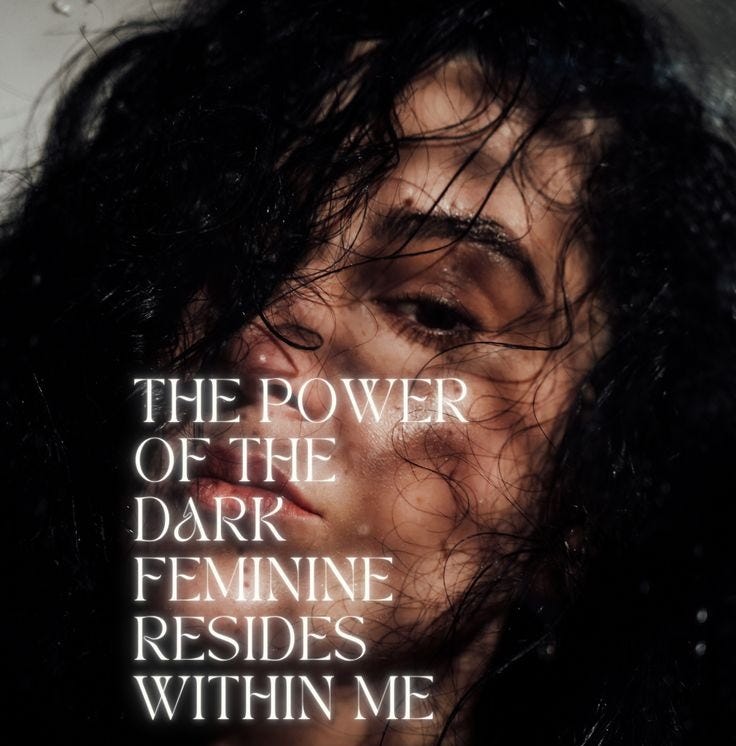
Dark, textural, gritty, real.
Bodies that sweat. Strain. Struggle. Skin with texture, not perfection.
The discomfort = This isn’t the fantasy. This is reality.
And reality is harder to ignore than fantasy.
Example: Business Coaching
Default visuals:
Suits, skylines, motivational quotes.
Everything screams “professional success.”
Disruptive visuals:
Brutalist. Harsh shadows. Anti-corporate.
Raw. Metal. No polish.
The discomfort = This isn’t your typical hustle bro energy.
And that’s the point.

Example: Skincare
Default visuals:
Dewy skin, flowers, white backgrounds.
Airbrushed perfection. Everything aspirational.
Disruptive visuals:
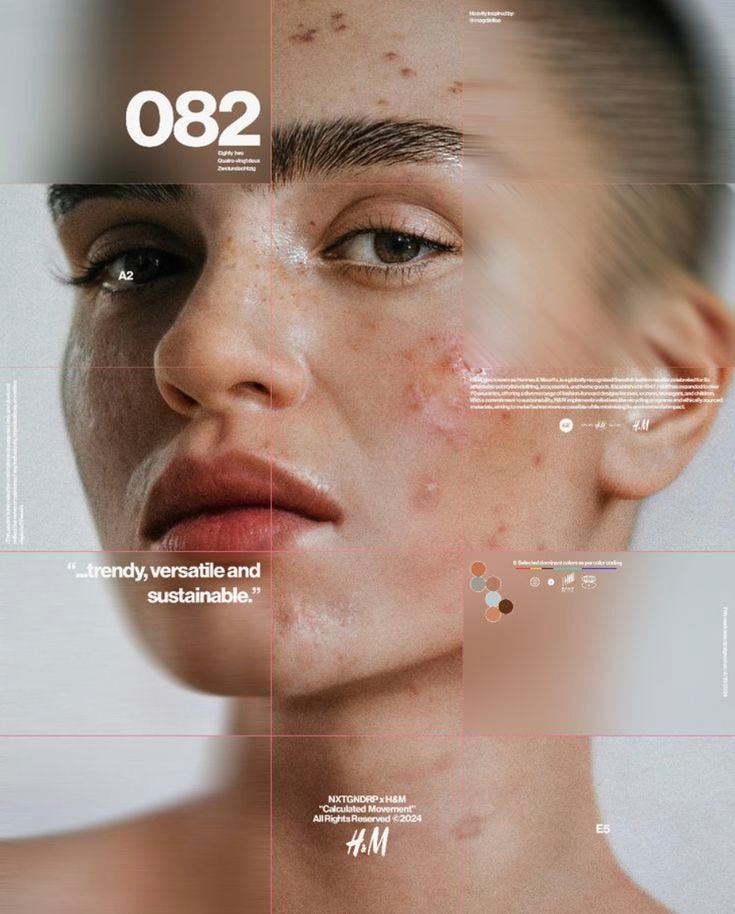
Close-ups of pores. Lines. Texture.
Reality, not retouching.
The discomfort = This is what skin actually looks like.
And honesty stops more scrolls than perfection.
The Discomfort Isn’t Random
It’s strategically aligned with your position.
Your brand model determines the TYPE of discomfort you create.
Raw, unpolished, real.
Discomfort = stripping away the fake.
Visuals that show imperfection, grain, reality.
The brain expects polish. You give grit.
Oppositional, bold, confrontational.
Discomfort = calling out the norm.
Visuals that reject category defaults.
The brain expects “professional.” You give rebellion.
Unfamiliar, future-facing, new.
Discomfort = unfamiliarity.
Visuals that feel ahead of the curve. Unsettling because they’re NOT what people expect.
The brain expects the familiar. You give the future.
Insider, exclusive, coded.
Discomfort = exclusion.
Visuals that make outsiders feel like they’re missing something.
The brain expects universal appeal. You give “if you know, you know.”
Your discomfort REINFORCES your position. It’s not random edge but strategic friction.
How to Calibrate Discomfort
Not every visual needs to be intense.
But every visual should have EDGE.
Edge = it leans into the position, not away from it.
Test 1: Would a competitor use this visual?
If yes, it’s too safe.
If your competitor could swap in your visual and it would still fit their brand? You haven’t created enough contrast.
Test 2: Does this visual make your ideal customer lean in?
If yes, good.
Your visuals should create PULL for the right people.
They should feel an immediate connection.
Test 3: Does this visual make the wrong person scroll past?
If yes, perfect.
You’re not trying to please everyone.
You’re trying to MAGNETIZE the right people and REPEL the wrong ones.
Discomfort is a filter.
If someone is turned off by your visuals, they’re not your audience.
Let them go.
What Happens When You Embrace It
Your visuals become recognizable instantly.
People know it’s you before they read your name.
Your visual world is so distinct that it becomes a signature.
People remember you.
They screenshot your posts, they send them to friends, or they save them for later.
Because the visuals made them FEEL something.
They either love it or hate it.
Both are better than “meh.”
“Meh” is invisible. It gets scrolled past and forgotten.
Love and hate both create conversation.
And conversation creates visibility.
Visibility creates opportunity.
More DMs… More questions… More engagement… More sales...
Because people who LOVE your visuals are already pre-qualified.
They’re signaling: “I get what you’re doing. I’m interested.”
The Introvert Advantage
Introverts don’t have to perform loudly if the visuals do the work.
Uncomfortable visuals = high signal, low effort.
You post less. But each post lands harder.
The brand does the provocating. Not your personality.
You don’t have to be aggressive, and you don’t have to be confrontational.
Your VISUALS can be.
And that’s freedom.
You can be quiet, introverted, and low-key.
As long as your visuals are LOUD.
The Permission You Need
If your visuals feel safe, they’re costing you attention.
Safe = invisible.
And invisible = no growth.
You’re allowed to make people uncomfortable.
In fact, you SHOULD.
Because discomfort is how you break through the noise.
Discomfort is how you create memory.
Discomfort is how you filter for the right audience.
Stop softening your visuals to avoid turning people off.
Start sharpening them to turn the RIGHT people on.
The Work
If your visuals feel safe, run this test:
Would a competitor use this?
If yes, it’s too generic. Add friction.
Does this make my ideal customer stop and lean in?
If no, it’s not emotionally sharp enough.
Does this make the wrong person scroll past?
If no, you’re still trying to please everyone.
What’s my visual position?
Let that guide the TYPE of discomfort you create.
How can I add edge without adding chaos?
Discomfort doesn’t mean confusing; it means intentional friction.
Stop trying to be comfortable.
Start trying to be unforgettable.

Hi, I’m Jessica.
So glad you’re here reading my stuff. Thank you for that!
I help quiet founders build brands that stand out without the constant visibility grind. Disruptive branding, sharp positioning, and strategy that works even if you hate being on camera.
Most strategists talk about alignment. I talk about opposition.
New essays hit your inbox weekly. Subscribe if you want in. Unsubscribe whenever. No guilt trips. Just good strategy and the occasional swear word.
When you subscribe to my free newsletter, you’ll automatically get a link to download the free Sameness checklist in your welcome email. It shows you where the sameness lives and where you can cut first.
Download. Print. Be honest with yourself. Then go fix it.
See ya in your inbox?
I have no plans to be comfortable until at least 2030!! Another great article, Jess!!! Thank you 🙌💅💥